
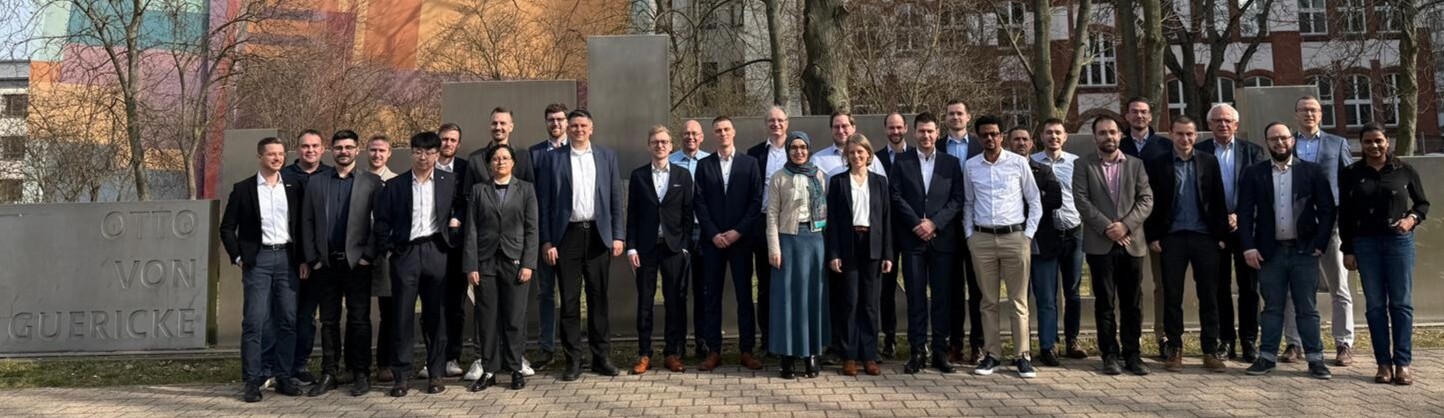
Dresdener Kreis at the OVGU Magdeburg
The Dresden Circle 2026 took place on March 10 and 11 at Otto von Guericke University Magdeburg. The scientific meeting brings together researchers and doctoral students from Dresden University of Technology, the University of Duisburg-Essen, Leibniz University Hannover, and Otto von Guericke University Magdeburg to exchange current research findings and strengthen interdepartmental collaboration in the field of energy systems.
The event takes place annually, rotating among the participating universities. A total of eight technical presentations were given by doctoral students from the participating departments, supplemented by a guest presentation from the company DigSILENT. The presentations covered a broad range of topics and addressed, among other things, issues in the areas of optimization, system analysis, and stability investigations in electrical power systems.
The following presentations were given this year for the LENA Chair:
Christoph Sauer presented on the topic "Strategische Markteilnahme eines virtuellen Kraftwekrs unter Einbezug von Frequenzdienstleistungen". This work focuses on optimizing supplier behavior based on self-generated price forecasts for the following day in the relevant markets. Furthermore, market participation is determined based on this and continuously adjusted and optimized on the delivery day. The provision of instantaneous reserve and primary control power is also taken into account.
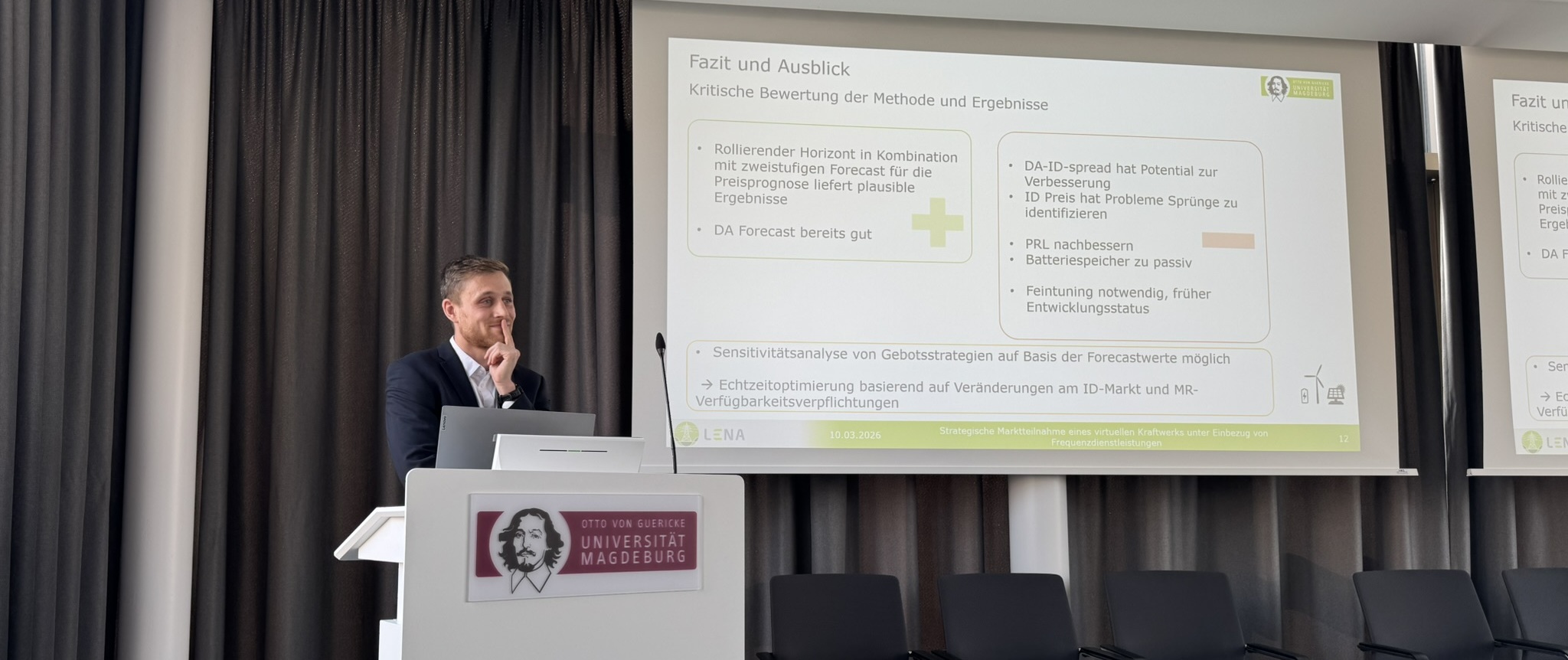
Figure 1: C. Sauer during the question and answer session.
João Scherer Cipriani presented the topic “Distributed Real-Time Simulation of Power Systems with High IBR Participation: Transmission Line-Based Coupling.” This paper addresses a framework for transmission line coupling designed to support the distributed real-time simulation of power grids with a high proportion of IBR systems. By employing rational frequency-domain adjustments and enforcing passivity, the method ensures stability at moderate latencies while simultaneously overcoming the physical length limitations of conventional Bergeron models. This enables precise, platform-independent HIL studies as well as the seamless integration of proprietary black-box models into various real-time simulation environments.
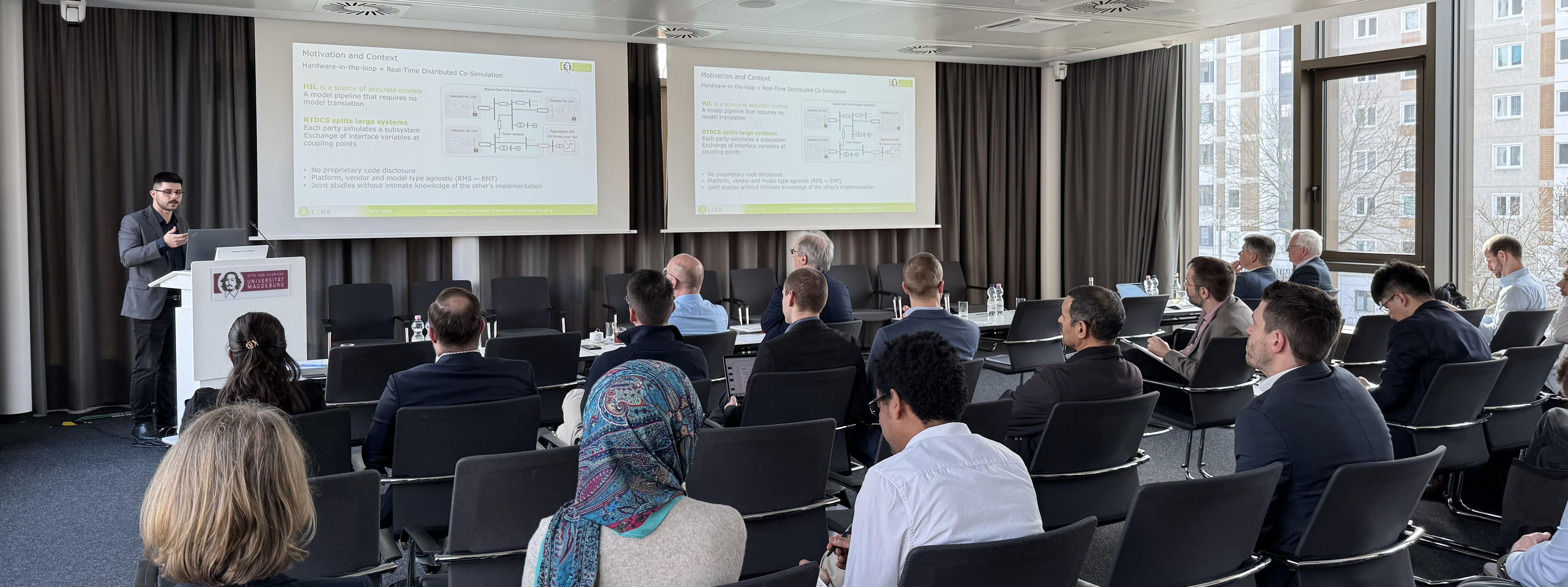
Figure 2: J. Scherer Cipriani presents his method.
This year's event was sponsored by DIgSILENT. Dr.-Ing. M. Schmidt from DIgSILENT spoke about career opportunities at the company, a leading global provider of simulation software for energy systems. The first day concluded successfully with a group dinner.
As part of the event, a technical visit to the Fraunhofer Institute in Magdeburg took place on the second day.
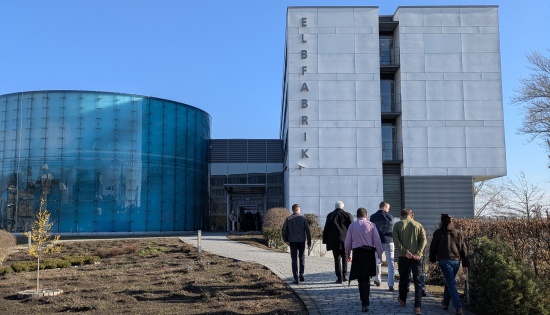
Figure 3: The joint visit to Fraunhofer.
Overall, the 2026 Dresden Conference was once again a very successful event, featuring technical presentations, discussions, and an exchange of ideas and experiences.