
Cooperation between the German-Brazilian Academy of Engineers (DeBraIA) strengthened
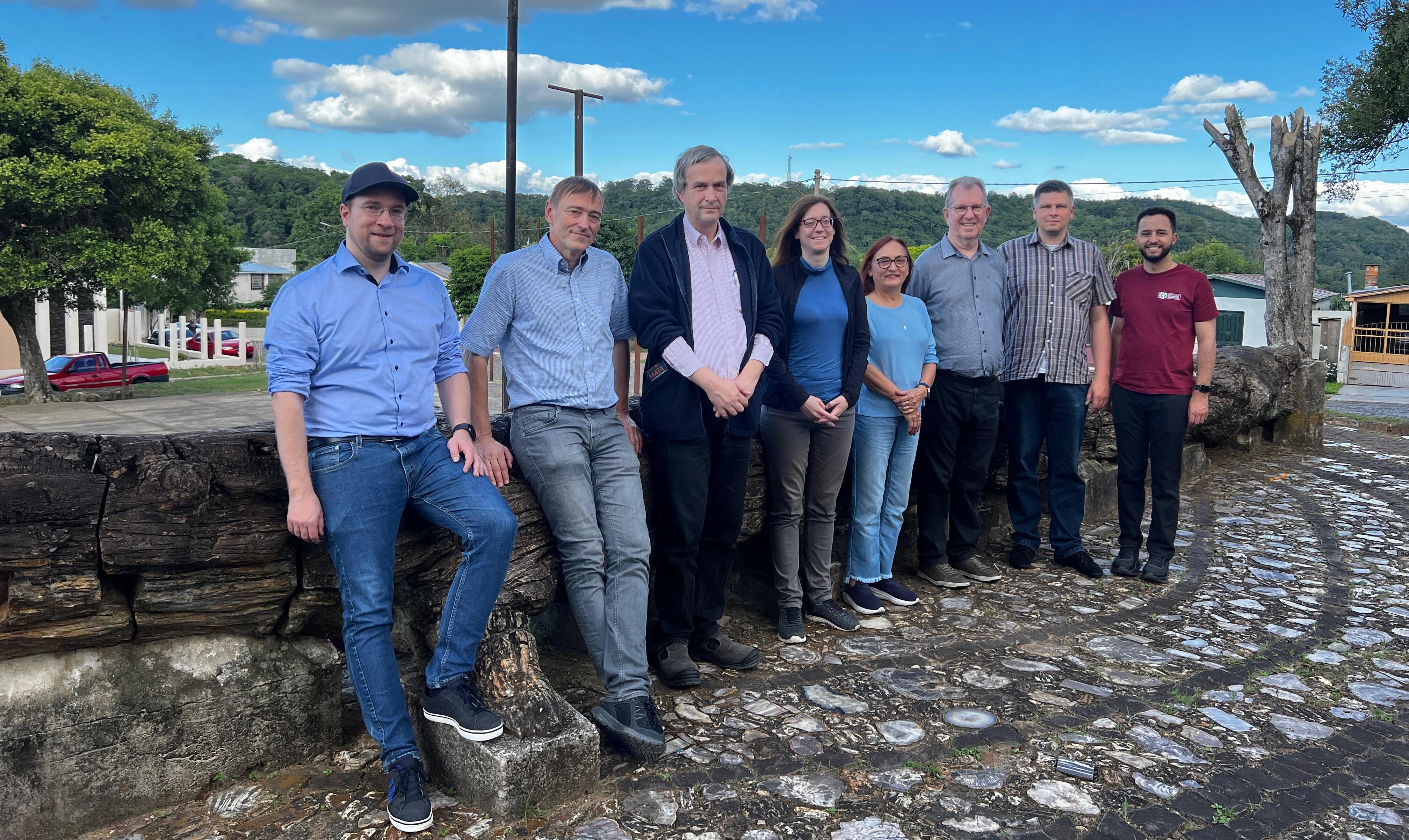
A delegation from Otto von Guericke University Magdeburg, consisting of Prof. Andreas Lindemann, Prof. Fabian Lurz, Prof. Martin Wolter, Dr.-Ing. Mauro dos Santos Ortiz (coordinator of the DeBraIA program), Prof. Dr.-Ing. Nicole Gehring, and Prof. Dr.-Ing. Ralf Vick, visited the Universidade Federal de Santa Maria (UFSM) in Brazil at the beginning of November 2025. The focus of the working week was on deepening the strategic partnership in the field of electrical engineering and consolidating the joint double degree master's program between the Faculty of Electrical Engineering, Information Technology and Mathematics (FEIT/OVGU) and the PPGEE/UFSM. At the beginning of the visit, professors from both universities completed the drafting of a new agreement (Specific Double Degree Agreement); the document is now being reviewed by the legal departments of both institutions.
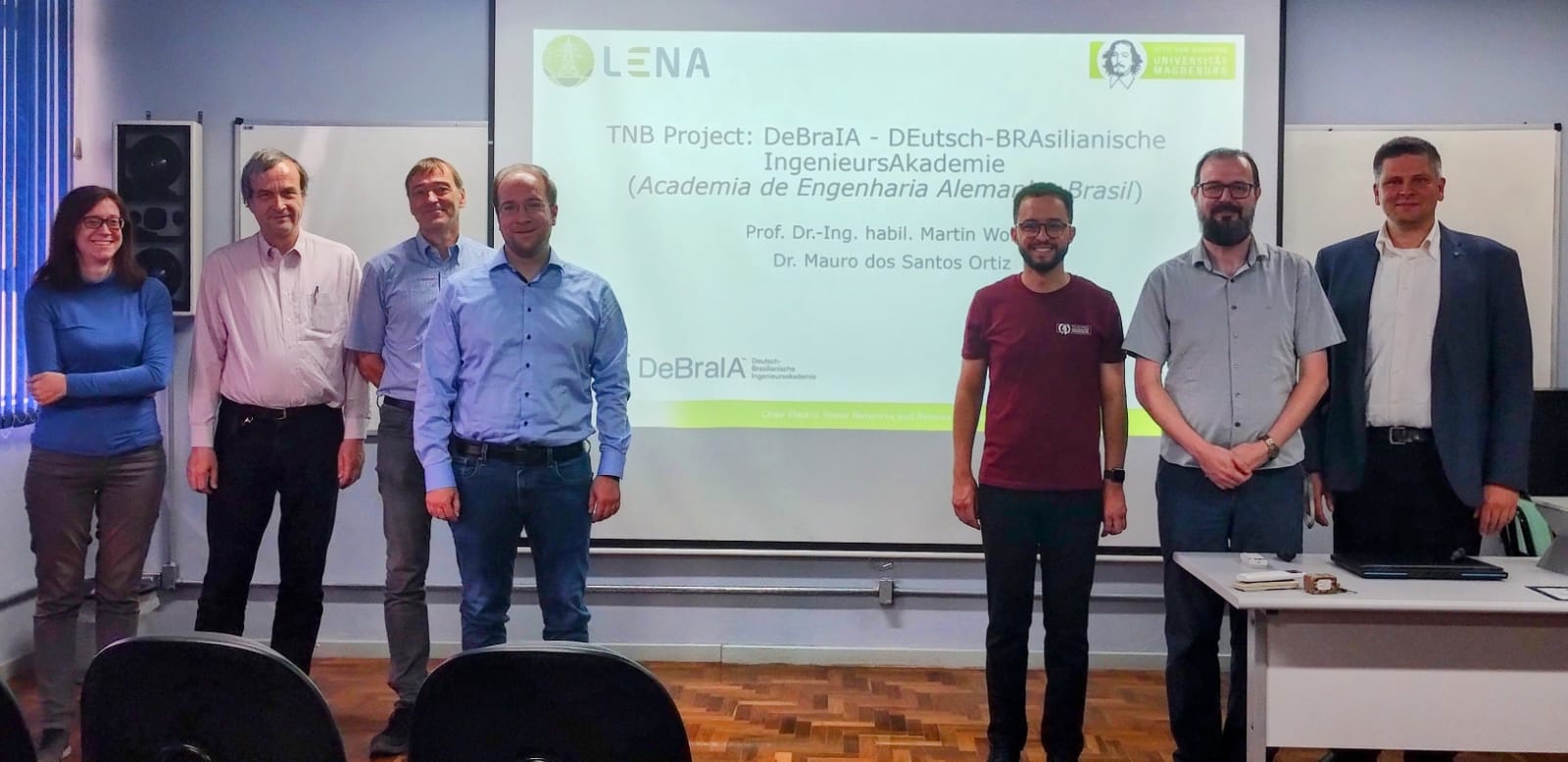
Figure 1: DeBraIA delegation from Germany at UFSM with Prof. Mauricio (2nd from left)
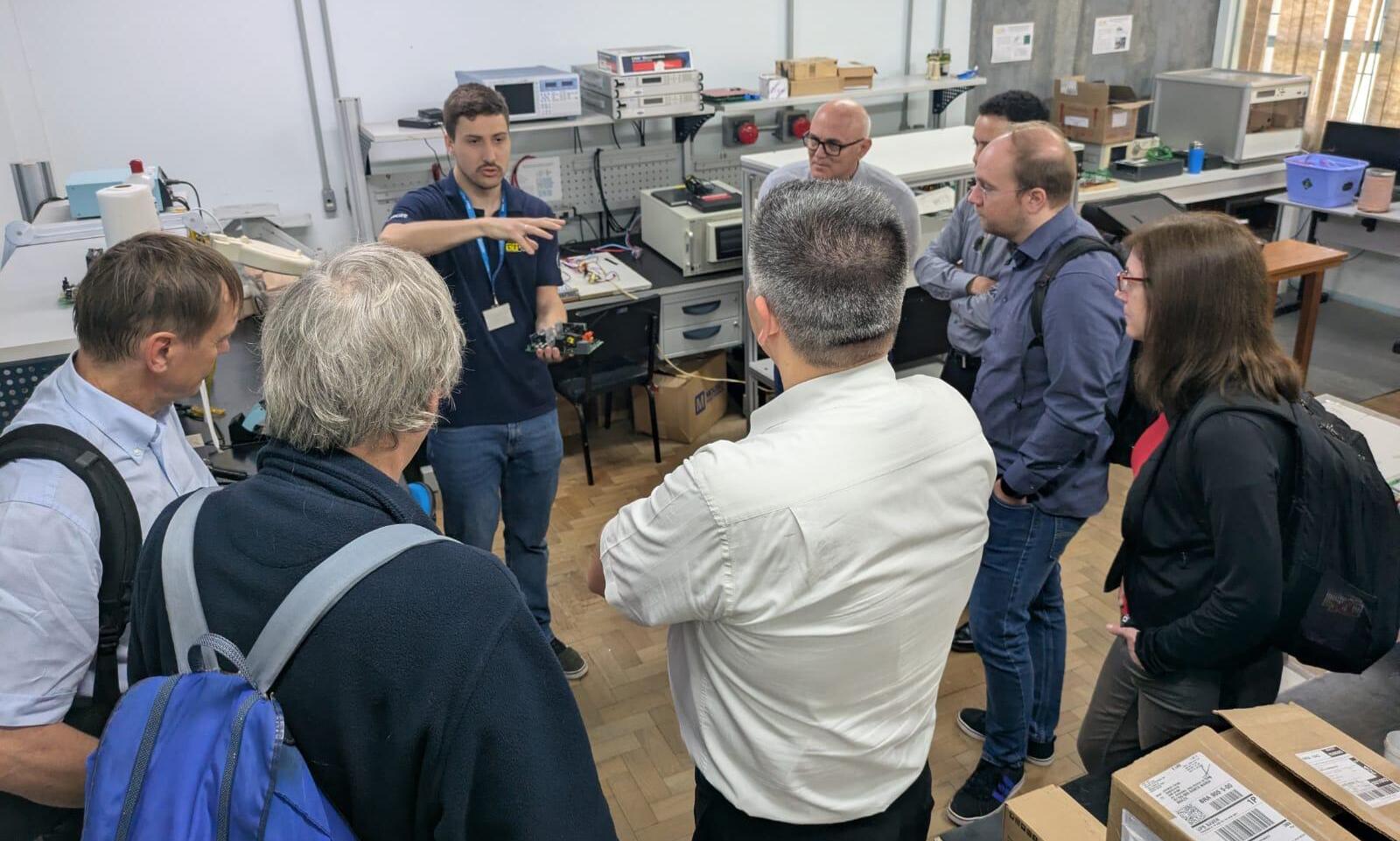
Over the course of the week, the delegation gained comprehensive insight into electrical engineering research and teaching at UFSM. Visits to selected laboratories and research groups enabled technical exchanges on current projects and infrastructure, including the IEM and theCEESP, GEDRE, GEPOC and GMICROgroups. The discussions built on existing lines of cooperation and also served to clarify curricular interfaces in the master's program—such as recognition rules, mobility windows, and the interlinking of teaching and research components for double degrees.
A key objective of the trip was to present the DeBraIA program – German-Brazilian Engineering Academy – to students and university committees. DeBraIA is anchored in the DAAD's Transnational Education (TNB) program and provides for a hybrid study and mobility model with a mandatory stay abroad; the initiative strengthens scientific cooperation and opens up structured paths to dual degrees for students from both countries. The program has an initial term of four years.
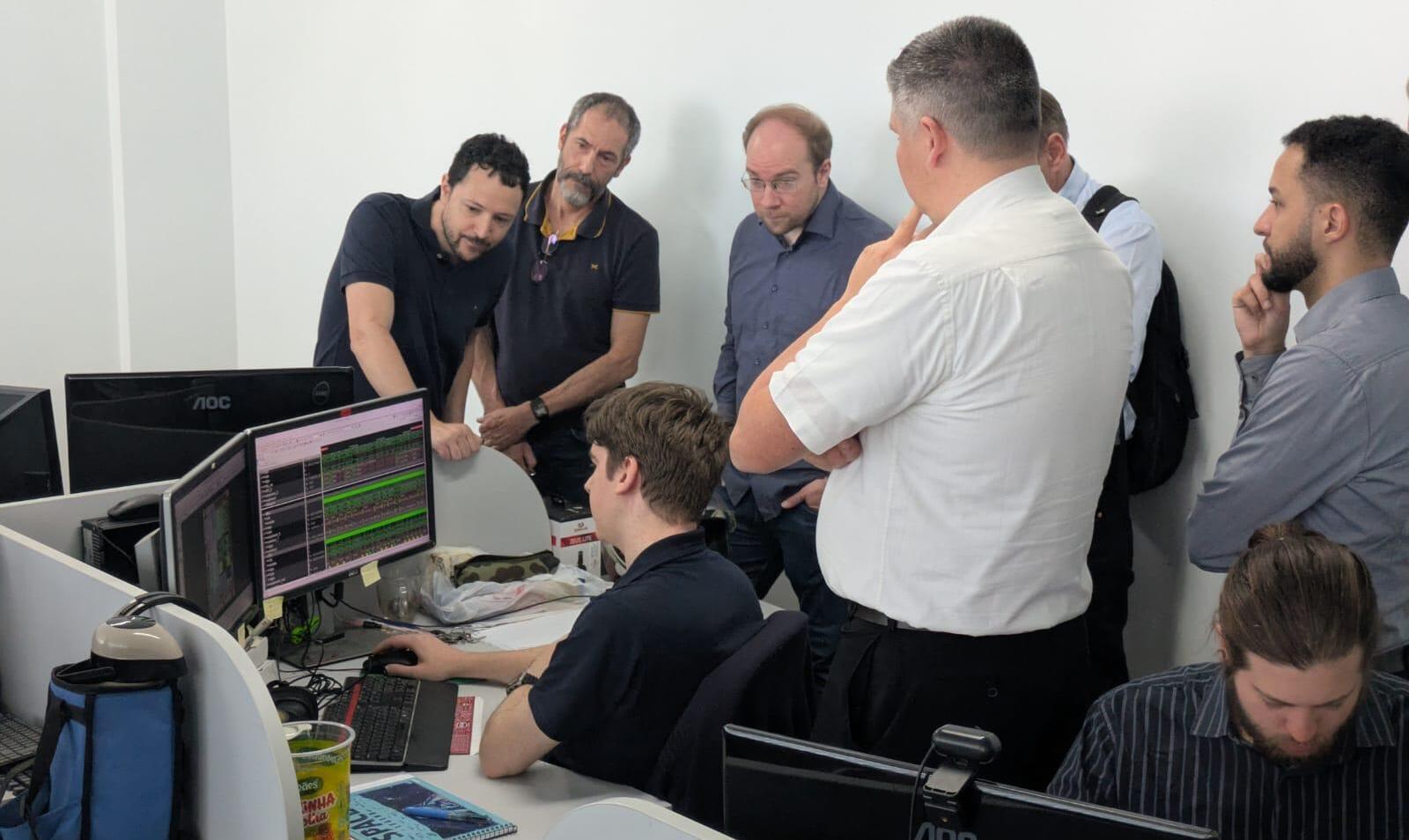
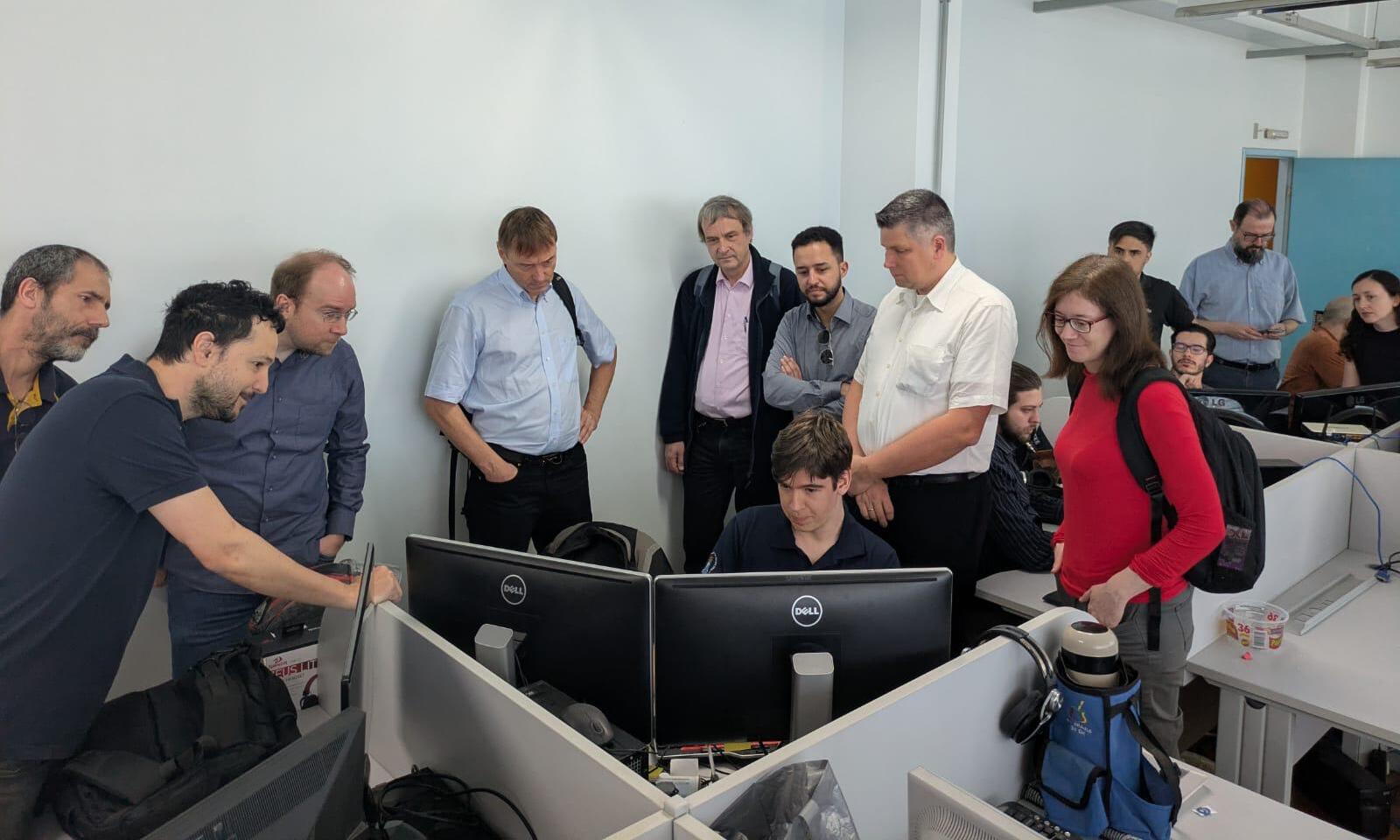
Formats involving direct interaction proved particularly popular: in discussion groups with master's students, the requirements, recognition procedures, and support structures for the double degree were explained; in addition, individual consultations on key areas such as power electronics, integrated electronic systems, energy supply/renewable energies, control engineering, and EMC were also on the agenda. These interactions complemented the technical laboratory visits and at the same time created visibility for the planned first group of students in the DeBraIA program.
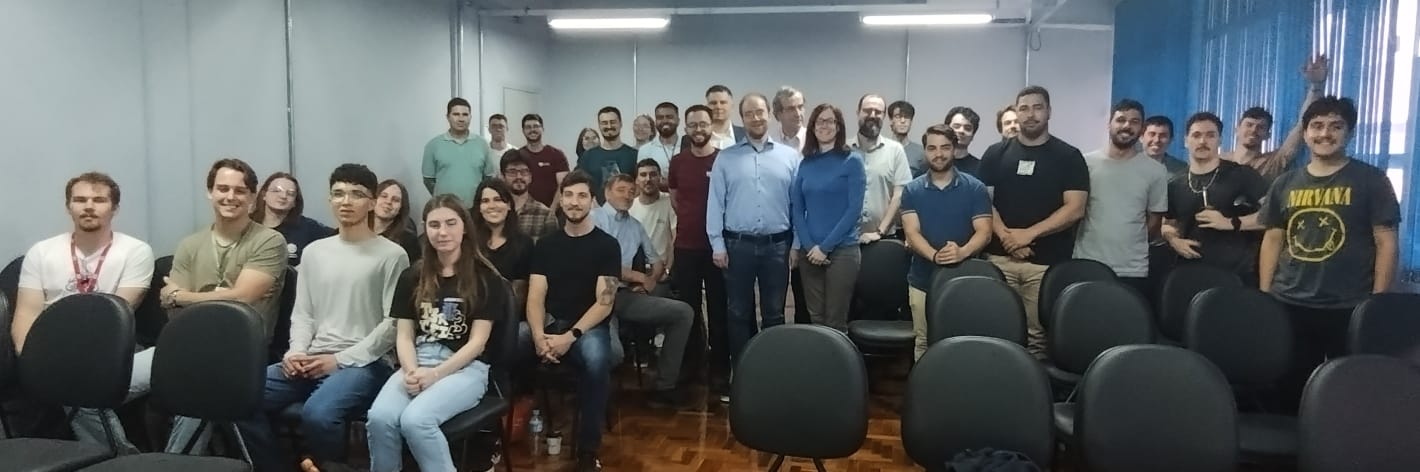
Figure 2: Presentation and exchange between DeBraIA delegation and UFSM students
The academic dimension of the week was accentuated by a public university examination: doctoral student João Pedro Scherer Cipriani took his doctoral qualifying exam on the topic of “Real-time Co-simulation of Power Systems with High Participation of Inverter-Based Resources” in the presence of representatives from both universities. This doctoral thesis is being jointly supervised by Prof. Dr.-Ing. habil. Martin Wolter (OVGU) and Prof. Dr. Humberto Pinheiro (UFSM) as part of a cotutelle doctoral program. The exam is part of the growing cooperative supervision in the doctoral program and underscores the integration of research and teaching, which will also be available to master's students at OVGU and UFSM through the DeBraIA program.
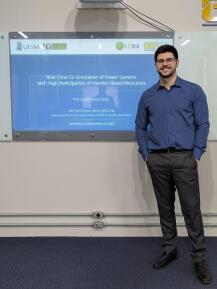
Abbildung 3: João Pedro Scherer Cipriani
At the institutional level, the delegation was received by the UFSM rectorate. The focus was on the medium- and long-term structure of the cooperation – from governance issues relating to dual degrees and the synchronization of module handbooks to prospects for lecturer exchanges. Also on the agenda was the connection to the regional innovation ecosystem. At “InovaTec UFSM – Parque Tecnológico,” the group held discussions with those responsible and visited local companies to explore opportunities for joint projects at the interface between higher education and industry.
The program was accompanied by cultural events designed to strengthen personal networks, including activities in cooperation with the Centro Cultural Brasil-Alemanha (CCBRAL). Such aspects of the encounter are an integral part of transnational university partnerships: they support mutual understanding, facilitate supervision and recognition processes, and promote the sustainable commitment of students and researchers to the partnership.
Next steps:
With the editorial phase of the double degree agreement now complete, both universities are moving on to the legal review and finalizing operational guidelines (recognition, learning agreements, examination boards). At the same time, selection and supervision processes for the upcoming program phase are being finalized. The goal is to offer students a clearly structured path into the double degree program starting next semester—accompanied by laboratory and research partnerships, industry connections possibly through the technology park and other industry partners, and ongoing exchange formats at both locations.